Strength training still gets sold to women as a way to "tone up" or shrink. But the most compelling reasons to lift have almost nothing to do with how you look — and everything to do with how you'll move, feel, and stay independent decades from now.
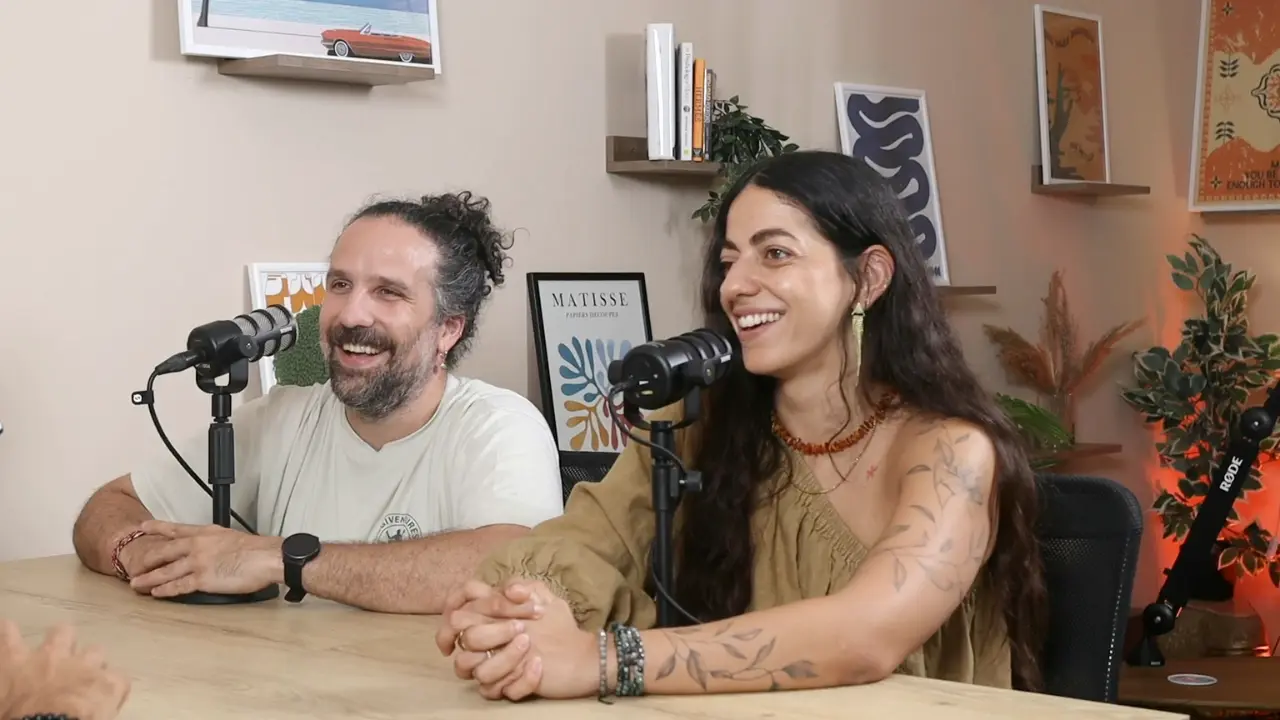
On The Weigh In, weight-loss coach and personal trainer Joelle Deaibess made the case plainly: strength training is essential, especially for women. Here's why she thinks so, and how to start even if you're convinced you'll hate it.
Joelle Deaibess (@coach.joelle) is a weight-loss coach, personal trainer, and emotional-eating specialist who coaches mostly women through her BetterMe program. Her philosophy centers on becoming the best version of yourself — and, as she frames it, that version moves. Not to punish the body, but to take care of it.
Joelle's starting point is simple: moving your body feels good regardless of what it does to your appearance. She describes the endorphin rush and the deep breath you take after a training session — that "I feel good" moment — as reason enough on its own.
That reframe matters. When exercise is only ever about changing how you look, it becomes a chore tied to a number on a scale. When it's about how you feel and function, it becomes something you actually want to keep doing.
The strongest reason Joelle gives is one many younger women never think about: bone health.
She points out that osteoporosis is one of the major conditions that can develop later in life, particularly for women after 40 and 50. Her argument is that strength training is one of the best tools for building stronger bones now — so that at 60, 70, or 80, you're not dealing with the fragility and fall risk that come with weak bones.
In other words, the training you do in your 30s and 40s is partly an investment in staying steady on your feet — and independent — much later. That's a benefit no supplement or crash diet can offer, and it's the kind of payoff that only makes sense if you start before you "need" it.
(On the specifics of bone density and osteoporosis risk, this is general education, not a personal medical plan — see the note at the end.)
Joelle is refreshingly unfussy about what "training" has to look like. Yes, she's making the case for strength work — but her broader point is that the best version of you moves in a way you can sustain. Among her own clients, that ranges across strength training, yoga, dance, Pilates, cycling, biking, and Muay Thai. One client, she says, does nothing but oriental dance — and Joelle is thrilled, because it keeps her moving.
The takeaway isn't "everyone must do the exact same program." It's that strength training belongs in the picture for its bone and long-term-health benefits — and that the form of movement you'll actually stick with is the one worth building around.
Here's the piece Joelle keeps coming back to — you continue doing things you enjoy, and abandon things you don't.
She told the story of a friend who hated the gym and swore she'd never sustain it. Joelle built her a program they did "her way." Two years later, that friend is still training "like a beast" — not out of discipline, but because she enjoys it now.
The lesson for anyone starting out: if strength training feels like punishment, the answer usually isn't more willpower. It's adjusting the approach — the exercises, the setting, the pace — until it's something you look forward to. That's what makes it last.
Two supporting points from the episode round this out:
Pulling Joelle's advice into a simple on-ramp:
For women, strength training isn't a vanity project — it's one of the clearest investments you can make in a strong, mobile, independent future. Joelle's version of the "best you" isn't defined by a dress size; it's someone who still moves with ease decades from now. The way to get there is to start with movement you enjoy, keep it sustainable, and give it time.
If you want to make sure your training is actually supported by enough protein, tracking it takes the guesswork out — Journable lets you log meals and keep an eye on your protein and macros. Download it here and give it a try today.
Want the full conversation? Watch the episode with Joelle Deaibess here.
This article is for educational purposes only and is not medical advice. Speak with a qualified healthcare professional before making changes related to medical conditions, medication, or treatment — including concerns about bone health or osteoporosis.