If you want to learn how to start working out, the internet can make the first step feel like the hardest one. One person says you need strength training. Another insists on cardio, mobility, high-intensity intervals, or a carefully optimized routine. Before you have completed a single session, you may already feel behind.
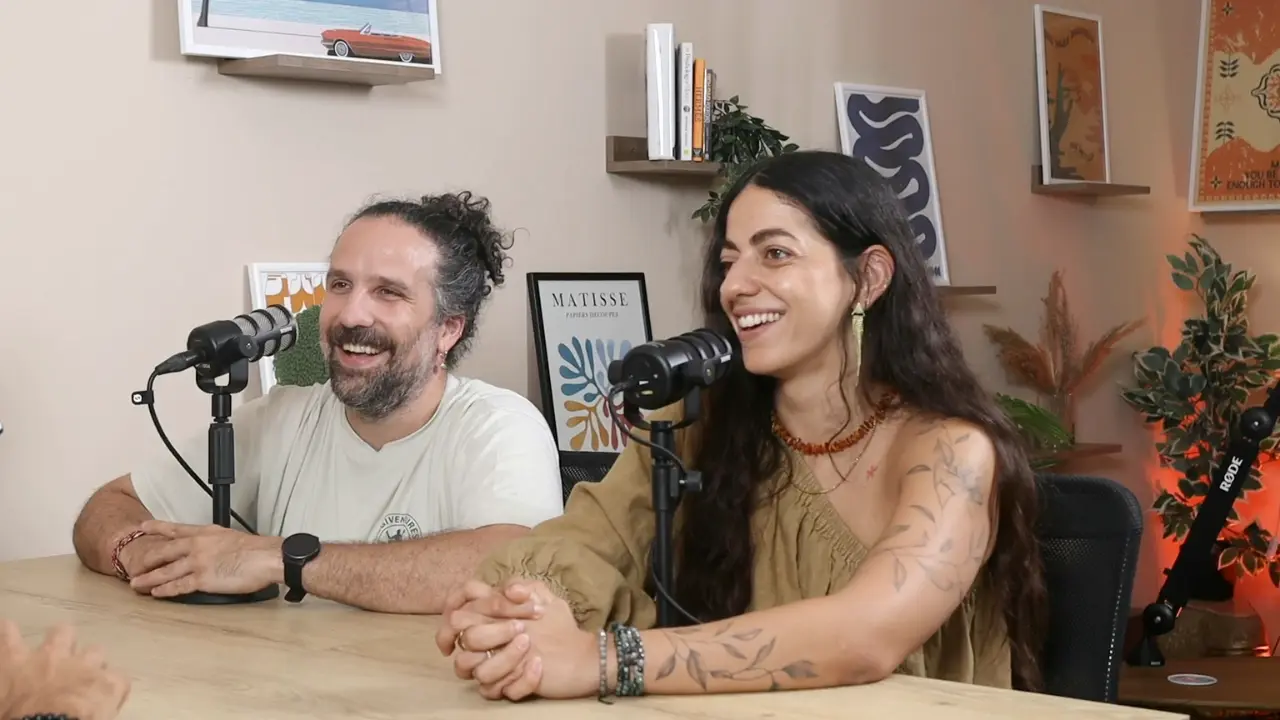
The solution is not to consume more advice until you find the perfect plan. It is to reduce the number of decisions standing between you and movement. In his conversation with Steve Hoyek on The Weigh In, coach Georges Fayad offers a useful way through the noise: understand why you are starting, choose something you can approach without fear, and build slowly enough that you want to return.
Fitness content often shows the middle of someone else's journey as if it were the beginning of yours. You see polished routines, advanced exercises, dramatic transformations, and confident opinions about the “best” way to train. What you do not see is the person's starting point, schedule, injury history, preferences, or years of practice.
That missing context matters. A program that suits an experienced athlete may be inappropriate for someone who has never felt comfortable in a gym. A routine that works for a creator whose job revolves around fitness may not fit a parent, a shift worker, or someone carrying a great deal of stress.
Georges's response to noisy advice is refreshingly simple: focus on your own goal, take small steps, and pay attention to the basics around training. That does not mean good information is unimportant. It means information becomes useful only when it serves the person in front of it.
When Georges meets a new client, he does not immediately prescribe exercises. He asks about their background with sport, injuries, sleep, food, stress, and what brought them in now. He wants to understand the person before building the program.
You can use the same idea on your own. Ask yourself:
Your answer does not have to sound impressive. You might want more energy, an easier walk upstairs, a stronger body, time away from a screen, or a routine that helps you feel more like yourself. A specific reason helps you filter advice. If a trend does not serve that reason, you do not need to follow it.
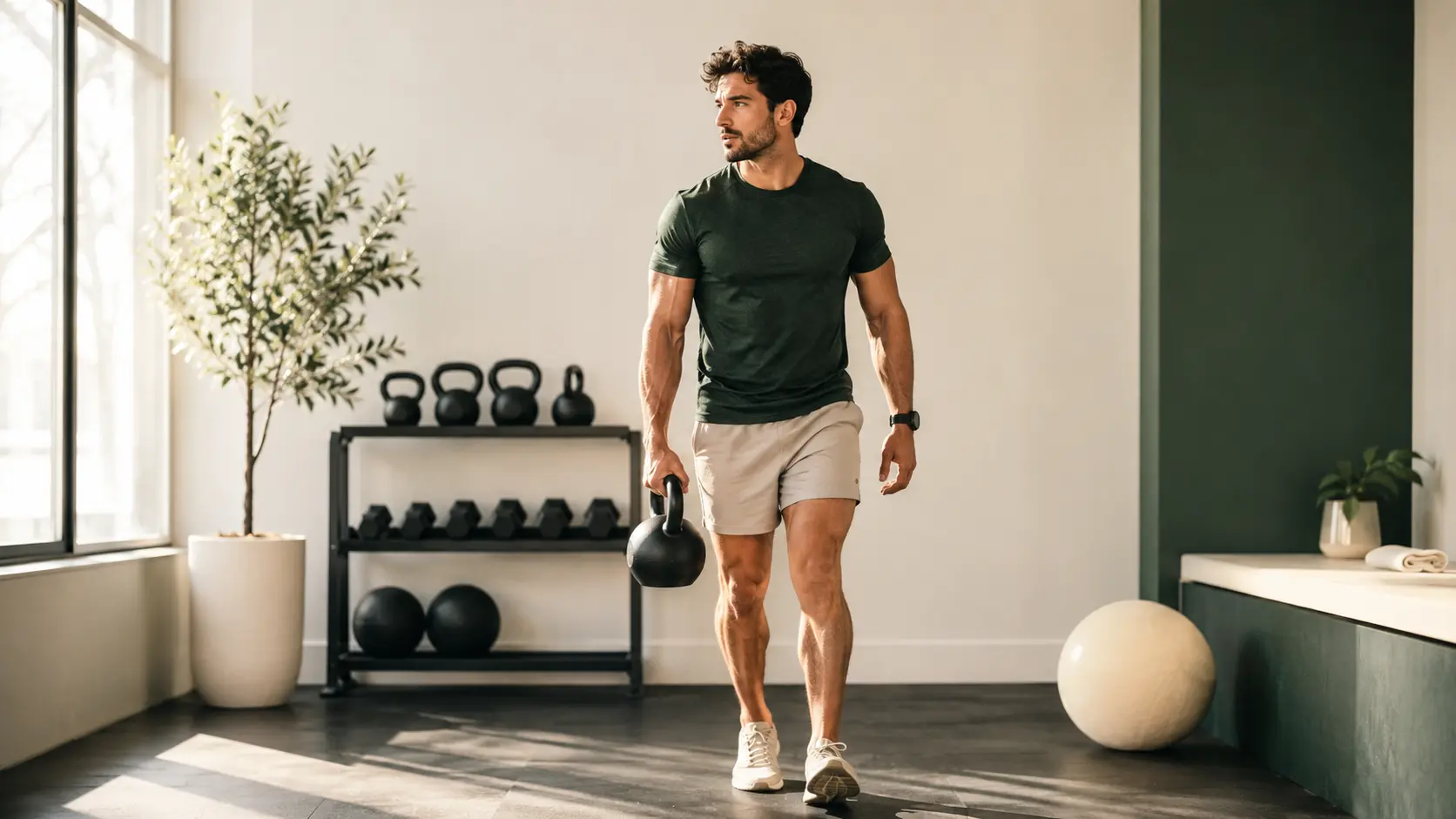
The best starting activity is not automatically the one that burns the most calories or looks most serious. It is one you are willing and able to do again. Georges points out that movement does not have to happen in a gym. Walking, hiking, climbing, sport, outdoor activities, classes, and resistance training can all be valid ways to begin.
That gives you permission to separate the goal of becoming more active from the pressure to adopt a particular fitness identity. You do not have to become “a gym person” before you can move. You only need a form of activity with a low enough barrier to start.
Consider four questions when choosing:
There is no need to settle on one method forever. Your first choice is an experiment, not a lifelong contract.
Georges is careful with beginners because an overly aggressive first session can make training feel like punishment. His early aim is not to prove how hard someone can work. It is to help them feel comfortable, discover what they can do, and leave with a reason to come back.
He applies that patience to his own story. When he started calisthenics, he used knee push-ups, could do one dip, and worked with partial pull-ups. The advanced skills came later. His starting point was not a verdict on his potential; it was simply where practice began.
Use the same standard for your first sessions. Finish with the sense that you could have done a little more. Learn the space, the movement, or the class format. Notice how you feel during the activity and afterward. Early success can be as simple as arriving, participating, and leaving willing to return.
If an injury or health concern affects what feels safe, seek guidance from an appropriate qualified professional. Generic online advice cannot account for your individual history.
People often wait for motivation to become reliable before they begin. Georges describes consistency differently: motivation can grow when you show up, move step by step, and experience what your body can do. The action can help create the feeling—not only the other way around.
A small win should be concrete and within your control. It might be putting on your shoes and walking, attending an introductory class, learning how one piece of equipment works, or booking a session with a coach who welcomes beginners. “Transform my body” is distant and hard to control. “Complete one approachable session” is immediate.
This is also consistent with official public-health guidance. The CDC's physical activity guidance for adults says some activity is better than none and activity can be divided into smaller chunks. Weekly recommendations can provide a direction to work toward, but they do not have to become an all-or-nothing entrance requirement.
A workout is only one part of your day. In the full conversation with Georges Fayad about training and movement, he repeatedly brings the focus back to walking, sleep, food, stress, and recovery.
For a beginner, this wider view can be reassuring. Progress does not depend on turning every session into a test. A short walk is still movement. Sleep and recovery are not evidence that you are doing less; they help make continued activity possible. Eating in a way that supports your day does not require rebuilding your entire diet overnight.
Trying to optimize everything at once creates the same overwhelm as trying to follow every training trend. Pick one or two supportive actions that lower friction. Prepare what you need before the session. Protect a realistic window in your calendar. Take a walk you enjoy. Give yourself time to recover before deciding whether the routine works.
This is not a mandatory workout schedule. It is a short set of decisions that can help you move from researching exercise to actually experiencing it.
This approach keeps your plan flexible. It also gives you useful feedback that another hour of scrolling cannot provide.
You do not need to master exercise science before you move, but you do need a basic filter for advice. Be cautious when a source promises immediate results, treats one method as essential for everyone, uses fear or shame, or asks beginners to ignore pain and recovery.
More useful guidance explains who it is for, acknowledges individual differences, and allows progress to happen gradually. If you work with a coach, look for someone who asks questions before giving answers and can adapt the experience to your starting point.
Most importantly, compare yourself with your own baseline. Social media can turn somebody else's years of work into a standard for your first week. Your real measure is whether movement is becoming more familiar, more manageable, and easier to return to.
You can watch Georges Fayad on The Weigh In on YouTube, listen to the episode on Spotify, or anywhere else you get your podcasts.
Learning how to start working out is less about finding a flawless routine and more about making the first experience repeatable. Clarify why you want to move. Choose an activity that fits your life. Begin below your maximum, learn from the experience, and take the next small step.
Your routine can become more structured as your confidence and goals develop. For now, the most useful plan is the one that turns exercise from an overwhelming idea into something you have actually begun.
If you want a simple way to understand how your meals support your activity, download Journable to track calories, protein, and macros.